



CRANE SAFETY: THE CRITICAL LIFELINE IN MODERN OPERATIONS
A single moment of inattention, a minor component failure, or a procedural shortcut—in the world of heavy lifting, the margin for error is zero. Crane safety is not merely a section in a manual; it is the absolute foundation upon which all successful projects are built. Beyond regulatory checklists, it represents a profound commitment to protecting lives, preserving assets, and ensuring operational continuity. This article delves beyond the basics, exploring the integrated ecosystem of technology, human factors, and rigorous processes that define world-class crane accident prevention and safe lifting operations.
1. The Stakes: Understanding the High Cost of Crane Failure
The consequences of a crane safety incident are catastrophic and multi-dimensional. A failure is never just an equipment breakdown.
Human Cost: The primary and most devastating impact is the potential for fatal or life-altering injuries to operators, riggers, and ground personnel. This human toll is immeasurable.
Financial & Operational Cost: Incidents lead to massive direct costs (equipment repair, litigation, insurance spikes) and crippling indirect costs (project delays, reputational damage, loss of license). A major failure can jeopardize an entire company.
Regulatory & Legal Repercussions: Severe violations can result in hefty fines, work stoppage orders, and criminal charges against supervisors and company officers under crane safety regulations like OSHA (US) or similar global standards.
2. The Human Factor: Operator Competence and Situational Awareness
Technology is a tool, but the human operator remains the central decision-maker. Investing in people is the first line of defense.
Certification and Continuous Training: Mandatory certified crane operator training is the baseline. Advanced training should include blind lift techniques, extreme weather operations, and emergency response drills. Simulation-based training is invaluable for hazard recognition.
Situational Awareness (SA): This is the operator's continuous perception of the load, environment, and potential hazards. Fatigue, distraction, and pressure are key SA killers. Protocols must protect operators from these pressures.
Effective Communication: The lift team—operator, signal person, riggers—must use standardized, clear communication, often via hand signals and radios. A single miscommunication can be fatal. Establishing a pre-lift meeting for crane operations is non-negotiable.
3. The Technological Shield: Essential Safety Devices & Systems
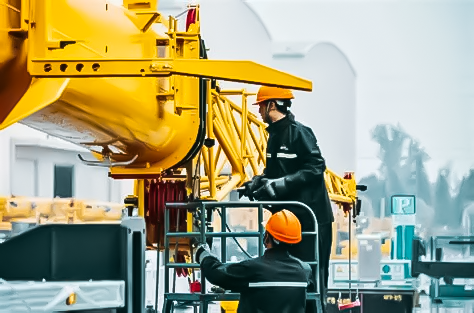
Modern cranes are equipped with an array of devices that act as vigilant guardians, preventing human and mechanical error.
Load Moment Indicator (LMI): The cornerstone of modern safety. This onboard computer constantly calculates the load weight and radius, providing the operator with a real-time visual warning and automatically halting dangerous movements to prevent crane overload protection failures.
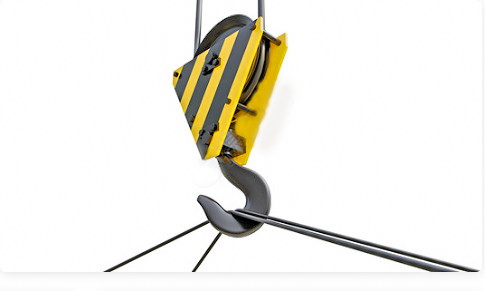
Anti-Two-Blocking Systems: Prevents the hook block from contacting the boom tip, a critical failure mode that can cause catastrophic structural collapse.
Limit Switches: These cut power at the extremes of motion, preventing over-hoisting, over-lowering, or excessive slewing.
Anemometers and Wind Speed Alarms: Provide real-time wind data with audible/visual alarms, as wind is a leading external hazard in crane operation safety.
Collision Avoidance Systems: Using radar or RFID, these systems warn operators of potential clashes with other cranes, buildings, or power lines on congested sites.
4. The Protocol Backbone: Inspections, Maintenance, and Lift Planning
Safety is engineered through disciplined, documented processes.
The Inspection Hierarchy:
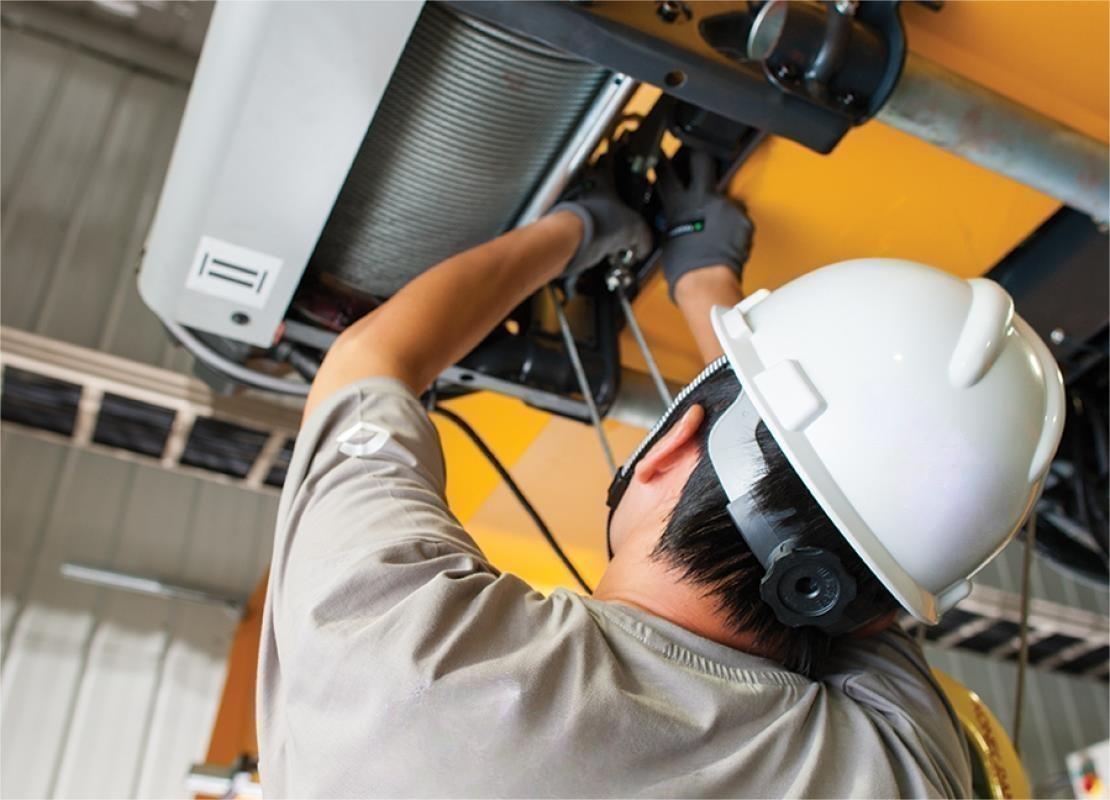
Pre-Shift Inspection: A daily visual and functional check by the operator (wire rope, hydraulics, controls, safety devices).
Frequent Inspection: Detailed checks by a qualified mechanic at monthly intervals or as per usage.
Periodic Inspection: A comprehensive annual teardown and examination by a certified inspector, as mandated by law.
Preventive & Predictive Maintenance: Adhering to the manufacturer's crane maintenance schedule prevents wear-based failures. Integrating oil analysis and vibration monitoring enables predictive maintenance for cranes, fixing issues before they cause an incident.
Critical Lift Planning: Any complex, heavy, or high-risk lift requires a formal crane lift plan procedure. This document, created by a qualified engineer, details crane selection, configuration, rigging, ground conditions, and a step-by-step sequence of operations.
5. Building a Culture of Safety: From Individual Responsibility to Collective Vigilance
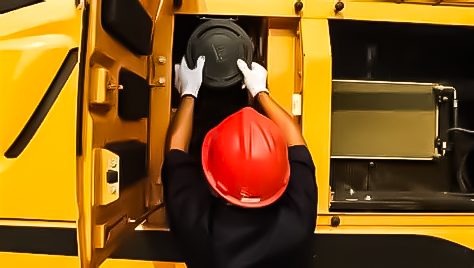
True safety transcends rules; it becomes a core value shared by everyone on site.
Leadership Commitment: Safety must be prioritized from the top down, with visible investment in training, time for procedures, and a strict non-retaliation policy for reporting concerns.
Empowerment to Stop Work: Every employee must feel empowered and obligated to "STOP WORK" if they perceive an unsafe condition, without fear of reprisal.
Incident Reporting and Analysis: Cultivate a transparent culture where near-misses are reported and investigated as learning opportunities, not occasions for blame. This is vital for improving crane jobsite safety.
Continuous Improvement: Regularly review procedures, discuss lessons learned, and seek feedback from crews. Safety is a journey, not a destination.
Conclusion
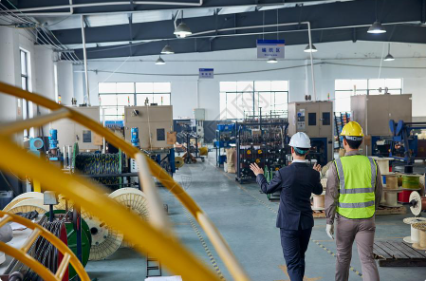
Crane safety is a complex, multi-layered discipline where engineering, technology, process, and human behavior intersect. In today's high-stakes environment, moving from basic compliance to an embedded culture of safety is the only sustainable path. It requires unwavering commitment, continuous investment, and the collective vigilance of every person on the jobsite. By integrating robust technology with highly trained personnel and iron-clad processes, the industry can protect its greatest assets—its people—and ensure that every lift is not only productive but, above all, safe. Remember, when it comes to cranes, there is never a good reason to compromise on safety.


