Need Help: Providing Innovative and Sustainable Solutions, Email sales@sgycranes.com
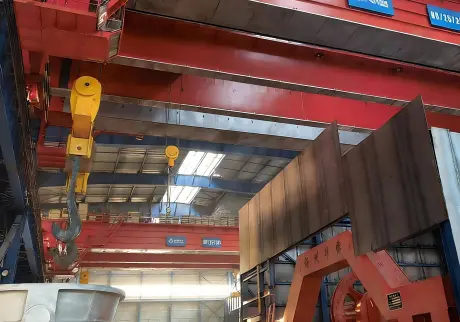
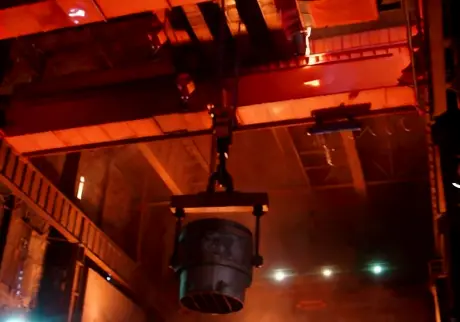
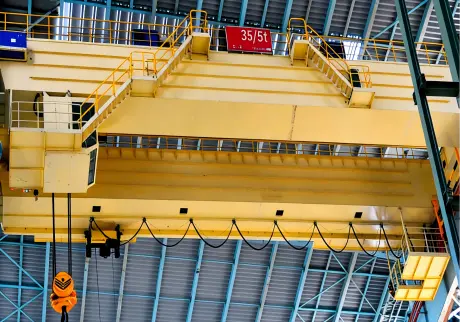
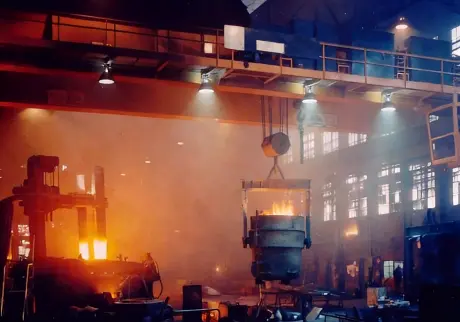
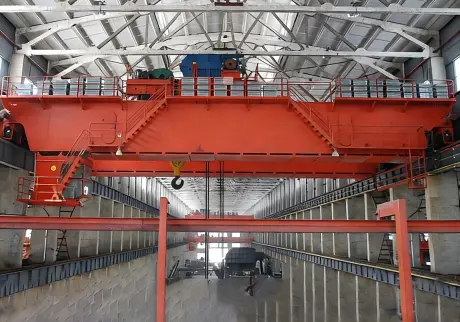
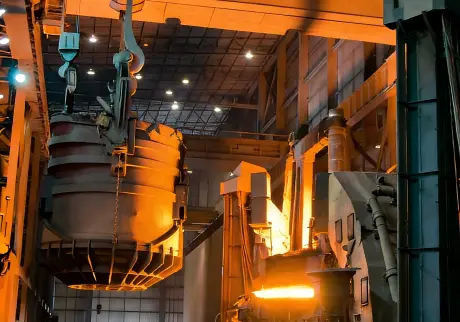


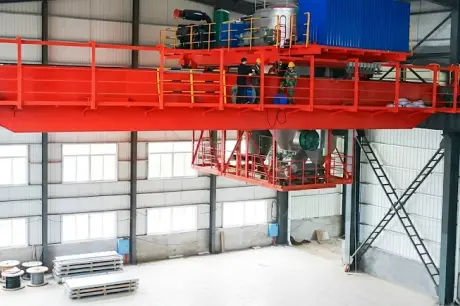
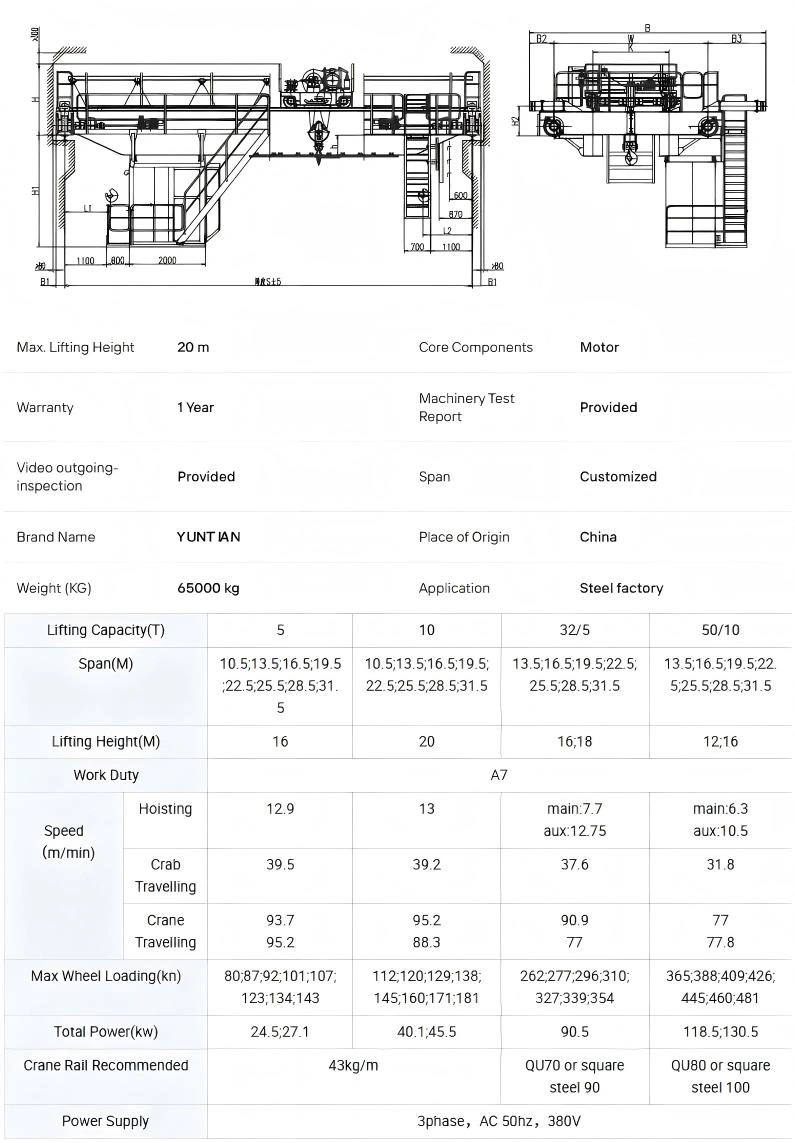
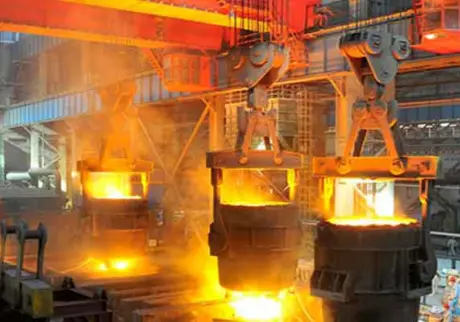
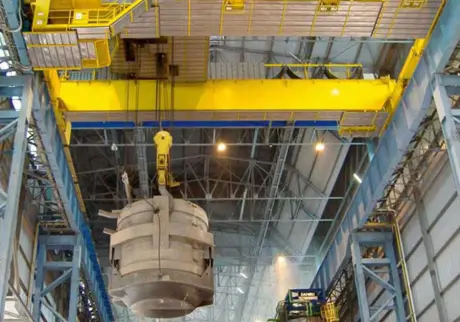
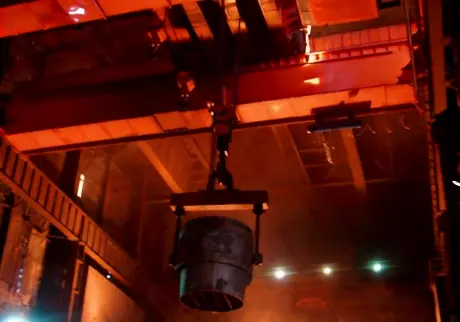
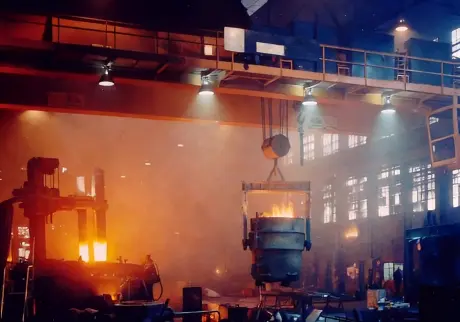
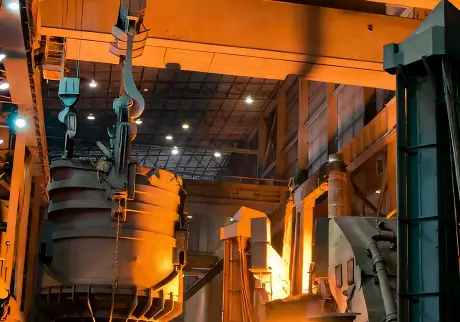
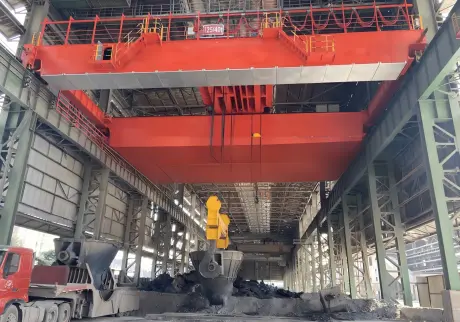
The QDY Model Heavy Duty Industrial Bridge Casting Crane is a specialized overhead lifting solution purpose-built for steel mills, foundries, and metallurgical plants that handle, transport, and pour molten metal in extreme high-temperature environments. Engineered with a four-girder four-rail structure and independent main and auxiliary trolleys, the main trolley carries the primary hook for lifting and pouring steel ladles, while the auxiliary trolley manages ladle tilting, slag pot operations, and auxiliary material handling. All hoisting mechanisms are equipped with dual-drive and dual-braking redundant safety systems, with additional heat shields and thermal radiation protection panels installed to safeguard critical components from radiant heat. The main structural steel is Q345B high-strength steel, with all main welds undergoing non-destructive testing to ensure a minimum 30-year service life. Rated for foundry duty classes A7–A8 with 24-hour continuous operation capability, the entire crane is designed in compliance with FEM, DIN, and CMAA standards for foundry service, and can be supplied with CE, ISO, and other international certifications.


WhatsApp:
+86-17337353108

Email:
sales@sgycranes.com


Please Enter Your Product Details
Please Enter Product
Please Enter Your Phone/WhatsApp


 Read More