



BEYOND FUEL SAVINGS: HOW ELECTRIC RMG TRANSFORMED OPERATIONS AT A SOUTHEAST ASIAN CONTAINER TERMINAL
Going Electric on the Dock: How a Southeast Asian Hub Reduced Costs and Increased Capacity with Automated RMG Cranes
1.As container throughput continued to rise across Southeast Asia, one major terminal faced a challenge shared by many growing ports: operating costs were increasing faster than yard efficiency.
2.For years, diesel-powered Rubber-Tyred Gantry (RTG) cranes had provided the flexibility needed to manage container flows. However, rising fuel prices, growing yard congestion, and increasing pressure to meet sustainability targets forced the terminal to rethink its long-term strategy.
3.After a detailed operational review, the port replaced several diesel RTG blocks with fully electric Rail Mounted Gantry (RMG) cranes integrated with its Terminal Operating System (TOS). The project delivered substantial fuel savings, improved storage density, and created the foundation for automated yard operations.
Diesel vs. Electric: The $600,000 Annual Fuel Savings That Sealed the Decision
Rising Fuel Costs Were Becoming a Budget Problem
1.The terminal's RTG fleet operated approximately 5,000 hours per year. Each crane consumed between 20 and 30 liters of diesel per hour, creating a significant and unpredictable operating expense.
2.As fuel prices fluctuated, annual budgeting became increasingly difficult. According to the terminal's internal evaluation, fuel consumption alone represented one of the largest operating costs in the container yard.
Why Electric RMG Cranes Changed the Economics
1.The new electric RMG cranes consume grid electricity rather than diesel fuel, reducing energy expenditure by an estimated 50% to 70%.
2.The result was approximately $600,000 in annual fuel savings per crane block, while also providing more predictable operating costs.
3.In addition, regenerative braking technology allows energy generated during container lowering operations to be fed back into the electrical system, further improving efficiency.
Lower Maintenance and Stronger ESG Performance
1.The shift to electric drive systems also simplified maintenance.
2.Compared with diesel RTGs, electric RMG cranes eliminate:
Engine oil changes
Fuel filters and injectors
Turbocharger maintenance
Major engine overhauls
The terminal estimates lifecycle maintenance costs will be reduced by 20% to 30%.
3.From an ESG perspective, the benefits were equally important. Replacing diesel-powered equipment significantly reduced carbon emissions, eliminated localized exhaust pollution, and lowered noise levels throughout the yard.
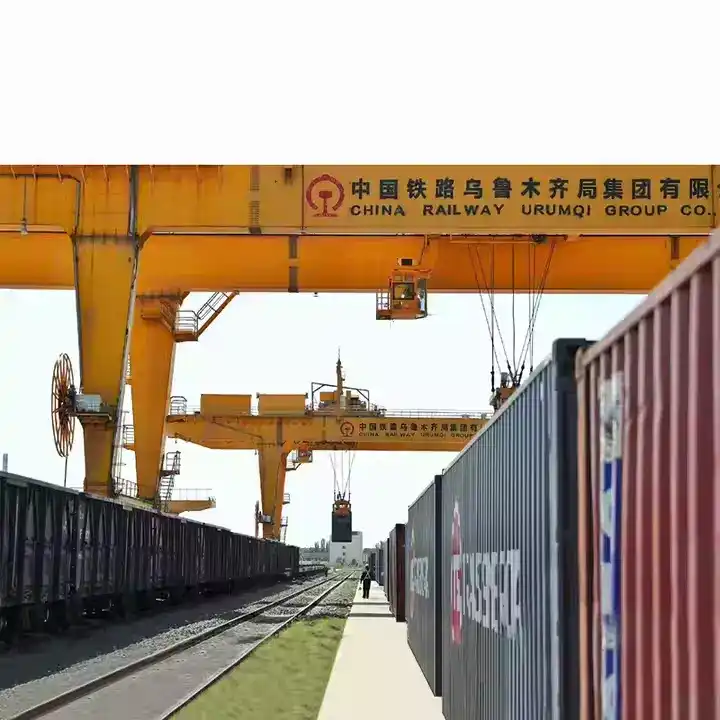
The Traffic Jam in the Yard: Why RTG Flexibility Was No Longer Enough
When Flexibility Started Creating Bottlenecks
1.RTG cranes are popular because they can move between different container blocks. However, as throughput increased, this flexibility began creating operational inefficiencies.
2.During peak periods, cranes frequently had to be repositioned to support overloaded sections of the yard. These transfers consumed valuable time and often disrupted truck traffic.
3.Instead of increasing productivity, crane mobility was becoming a source of delay.
Yard Congestion Was Limiting Growth
1.Because RTGs share operating areas with terminal trucks and other equipment, traffic congestion became more common as container volumes increased.
2.At the same time, minor positioning deviations caused by tire wear and manual driving required additional corrections during container handling operations.
3.While each adjustment only added seconds, the cumulative impact became significant across thousands of daily moves.
RMG Cranes Increased Storage Density by More Than 30%
1.Land expansion was not a realistic option for the terminal.
2.Rather than acquiring additional space, the operator focused on improving yard utilization.
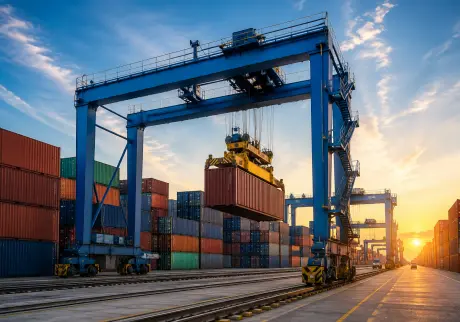
3.By switching to Rail Mounted Gantry cranes, the terminal redesigned its storage blocks and increased stacking density from approximately 900–1,100 TEU per hectare to 1,400–1,600 TEU per hectare.
4.The result was more than a 30% increase in storage capacity without expanding the terminal footprint.

From Manual to Automated: Integrating the Crane with a Terminal Operating System (TOS)
Connecting Equipment to the Terminal Operating System
1.The real value of the RMG project extended beyond electrification.
2.Each crane was integrated with the terminal's TOS through an Equipment Control System (ECS), creating a fully coordinated container handling environment.
3.Instead of relying on manual dispatching, container moves could be automatically assigned based on real-time yard conditions and vessel schedules.
Building an Automated Container Yard
1.To support automation, the RMG cranes were equipped with:
3D LiDAR scanners for obstacle detection
OCR cameras for container identification
Laser positioning systems for truck alignment
Anti-collision monitoring systems
2.Together, these technologies provided continuous visibility across the yard while reducing the risk of operational errors.
Reducing Labor Dependency and Human Error
1.Automated anti-sway technology helped stabilize container movement and shorten cycle times.
2.At the same time, remote-control capabilities allowed operators to supervise multiple cranes from a centralized control room rather than sitting in individual crane cabins.
3.This reduced labor requirements while improving operational consistency and workplace safety.
The 72-Hour Installation: Modernization Without Shutting Down the Terminal
The Biggest Challenge Was Avoiding Downtime
1.For terminal management, the primary concern was maintaining cargo flow throughout the upgrade.
2.Any prolonged shutdown would affect vessel schedules, truck operations, and customer service commitments.
Off-Site Assembly Reduced On-Site Disruption
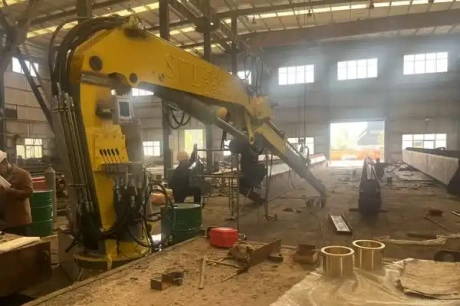
1.To minimize installation time, major crane components were pre-assembled and tested in a dedicated staging area before arriving at the operating yard.
2.This allowed software commissioning, electrical testing, and sensor verification to be completed ahead of installation.
From Installation to Operation in Just 72 Hours
1.Once the rail foundations were ready, the terminal executed a carefully planned 72-hour commissioning process.
2.The sequence included:
Clearing the target yard block
*Removing existing RTGs
*Positioning the pre-assembled RMG
*Connecting power and communication systems
*Calibrating sensors and automation equipment
*Performing live operational testing
3.By the end of the three-day window, the new automated RMG crane was fully operational and handling containers under normal production conditions.
Conclusion: A Blueprint for the Next Generation of Container Terminals
1.The transition from diesel RTGs to electric RMG cranes delivered far more than fuel savings.
2.The project reduced operating costs, increased yard capacity, improved environmental performance, and enabled automated container handling through TOS integration.
3.For container terminals facing rising throughput, labor shortages, and sustainability pressures, electric RMG cranes offer a practical path toward higher efficiency and long-term competitiveness.
4.As ports continue investing in automation and smart terminal technologies, projects like this demonstrate how electrification and digitalization can work together to create more productive and resilient container yards.
Looking for the Right RMG Solution?
As container terminals continue to pursue electrification, automation, and higher yard utilization, selecting the right crane partner becomes increasingly important. With extensive experience in container handling equipment, Yuntian Crane provides customized Rail Mounted Gantry (RMG) crane solutions designed for modern port operations. From crane design and manufacturing to automation integration and commissioning support, our team works closely with terminal operators to improve efficiency, reduce operating costs, and support long-term growth.
Whether you are planning a new container yard or upgrading an existing RTG operation, we can help evaluate the most suitable solution for your specific throughput, layout, and automation requirements, Contact US.
HENAN YUNTIAN CRANE CO., LTD.
Email:sales@sgycranes.com
Website: [https://yuntiancrane.com/]
Whatsapp:+86-17337353108


